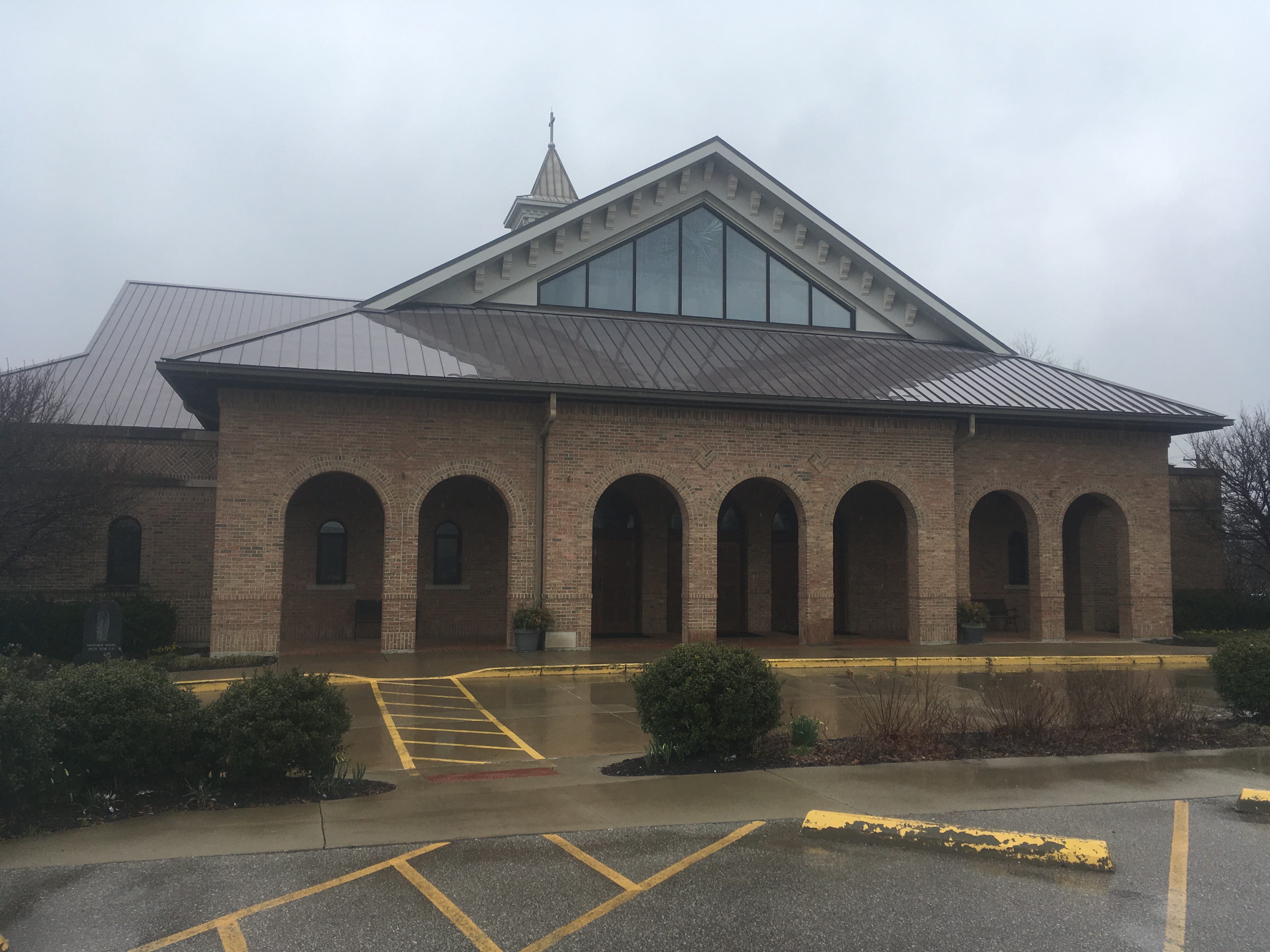
Catholic Baltimore

For the final time, at least until my trip in 2021, I visited Baltimore last week. The occasion was my oldest child’s graduation from Johns Hopkins University. Needless to say, I’m a little proud of the young man, even if my role in his acceptance into and degree from one of the country’s finest institutions was quite limited.

I spent three days in the city, allowing me to do a little more sightseeing than most of my quick drop-offs/pickups over the last 5 years. And for a Catholic, there are many, many worse places to find yourself in than Charm City.

In many ways, Baltimore is the country’s original Catholic city (with apologies to St. Augustine, Fla.), given its importance in Maryland, a place where Catholics found a home in the overwhelmingly Protestant fellow 12 colonies. The colony was founded by Catholic convert George Calvert, who sought to create an area where people could be free to worship as they pleased.

Catholicism has flourished in Baltimore, and continues to do so.

My first stop, shortly after reconnecting with my son at his current place of work, was the Basilica of the National Shrine of the Assumption of the Blessed Virgin Mary. It is America’s first Cathedral, built by famed architect Benjamin Henry Latrobe and home to America’s first bishop, John Carroll. It was the funeral site for Charles Carroll, the only Catholic signer of the Declaration of Independence. Most of the early bishops were consecrated here. Few churches in this country match its place in Catholic history.

The Ascension of Our Lord depicted on the East Saucer Dome at the Basilica.
The altar at the National Shrine of the Assumption of the Blessed Virgin Mary.
This painting was given to the archdiocese by French King Louis XVIII.
A look at the Basilica from the corner of Cathedral and Wilson streets.

Sitting one block up and one block east of the Cathedral is the Pope John Paul II Prayer Garden, a tiny spot of green to commemorate his visit to the city in 1995. The garden contains a lovely statue of the pope and two small children,  based on a photo taken when the pope arrived at BWI Airport. It also features a quote from his visit highlighting the importance of religious freedom, harkening back to the colony’s founding. It’s a lovely tranquil place in an otherwise busy neighborhood.
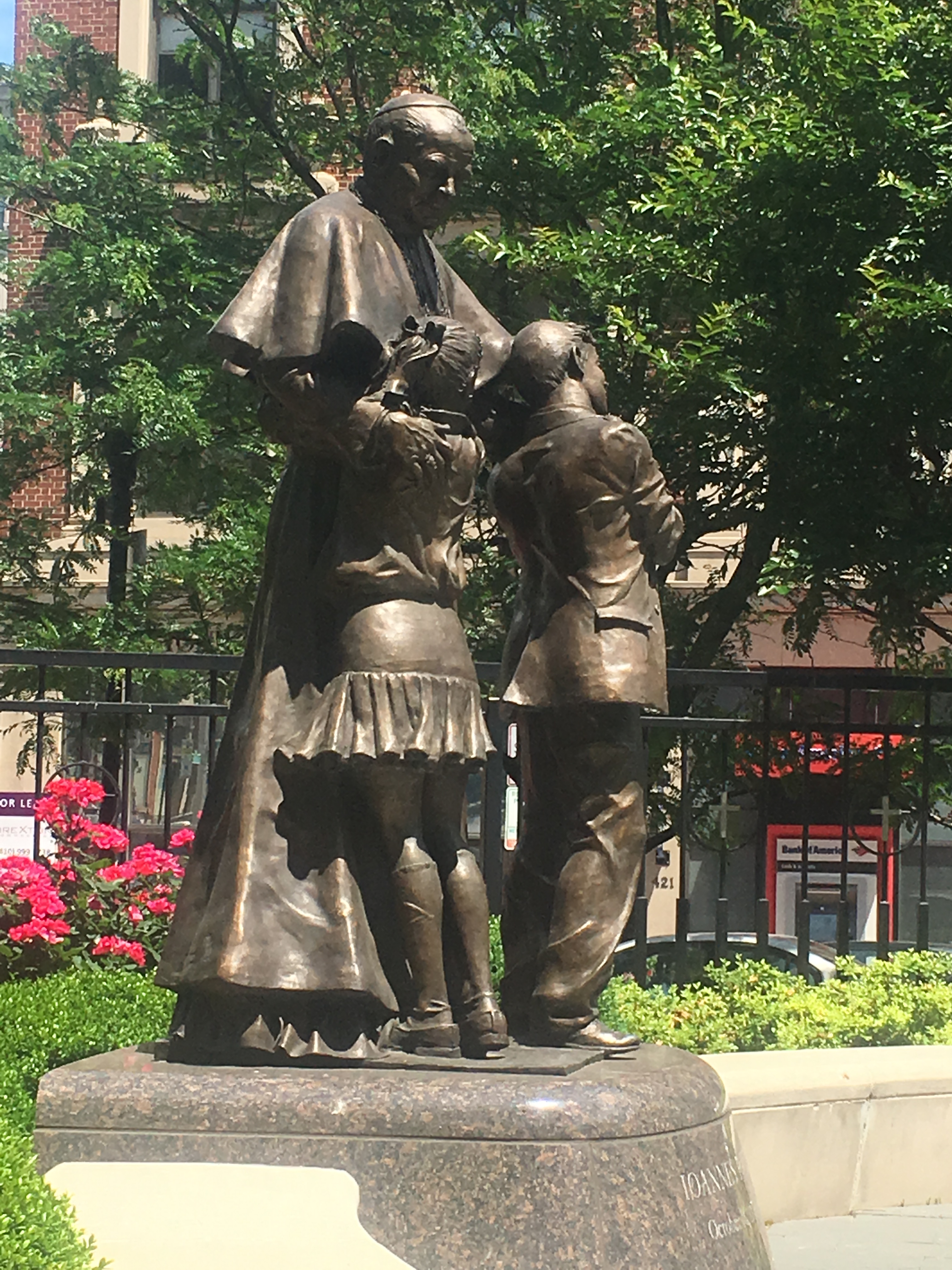
The Pope John Paul II Prayer Garden.

By happy coincidence, the hotel my wife chose to stay in, a few blocks northeast of Baltimore’s Inner Harbor, was also just across the street from the National Shrine of St. Alphonsus Liguori. On Graduation Day, I woke up early to attend Mass at the beautiful church, once home to St. John Neumann. It was my first Latin Mass, though it’s possible I attended some when I was a very small child.

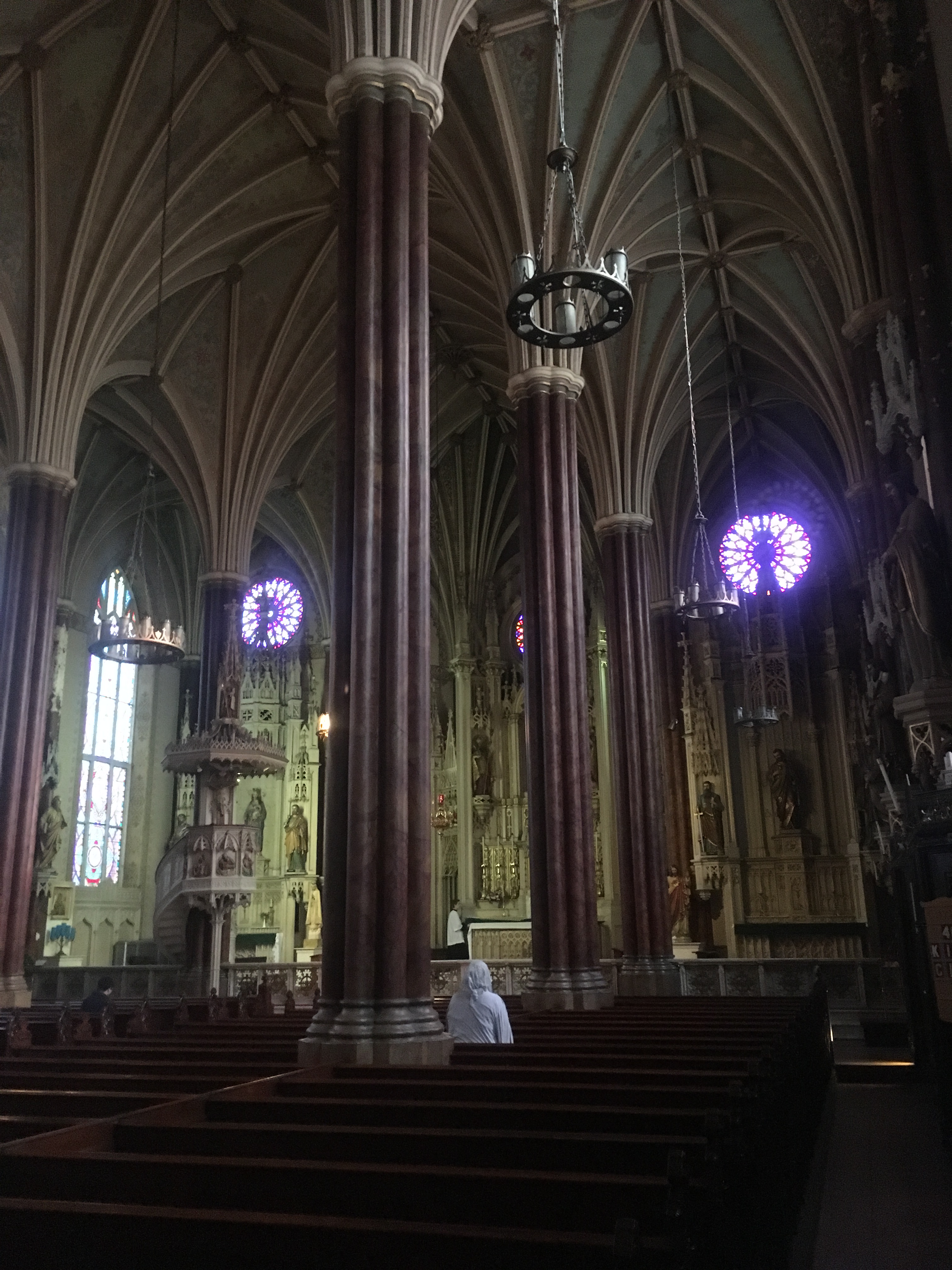
A look at the church from my hotel window. And if it looks surprisingly clear, that’s because my hotel window surprisingly opened.
There were about a dozen of us worshiping at the 7 a.m., Tridentine Mass. This was taken after Mass had ended.
The Gothic Revival style church was absolutely stunning, particularly when the lights were dimmed.

Finally, as we were making our final preparations before the four-hour commencement exercise at Royal Farms Arena, I sneaked off to the St. Jude Shrine. The “Forgotten Saint” or the patron saint of lost causes, Judas Thaddeus has been celebrated here since 1917, when the Nationwide Center of St. Jude Devotions was founded by the Pallottines. As with the Basilica, there was a steady stream of guests dropping in to pray that afternoon.

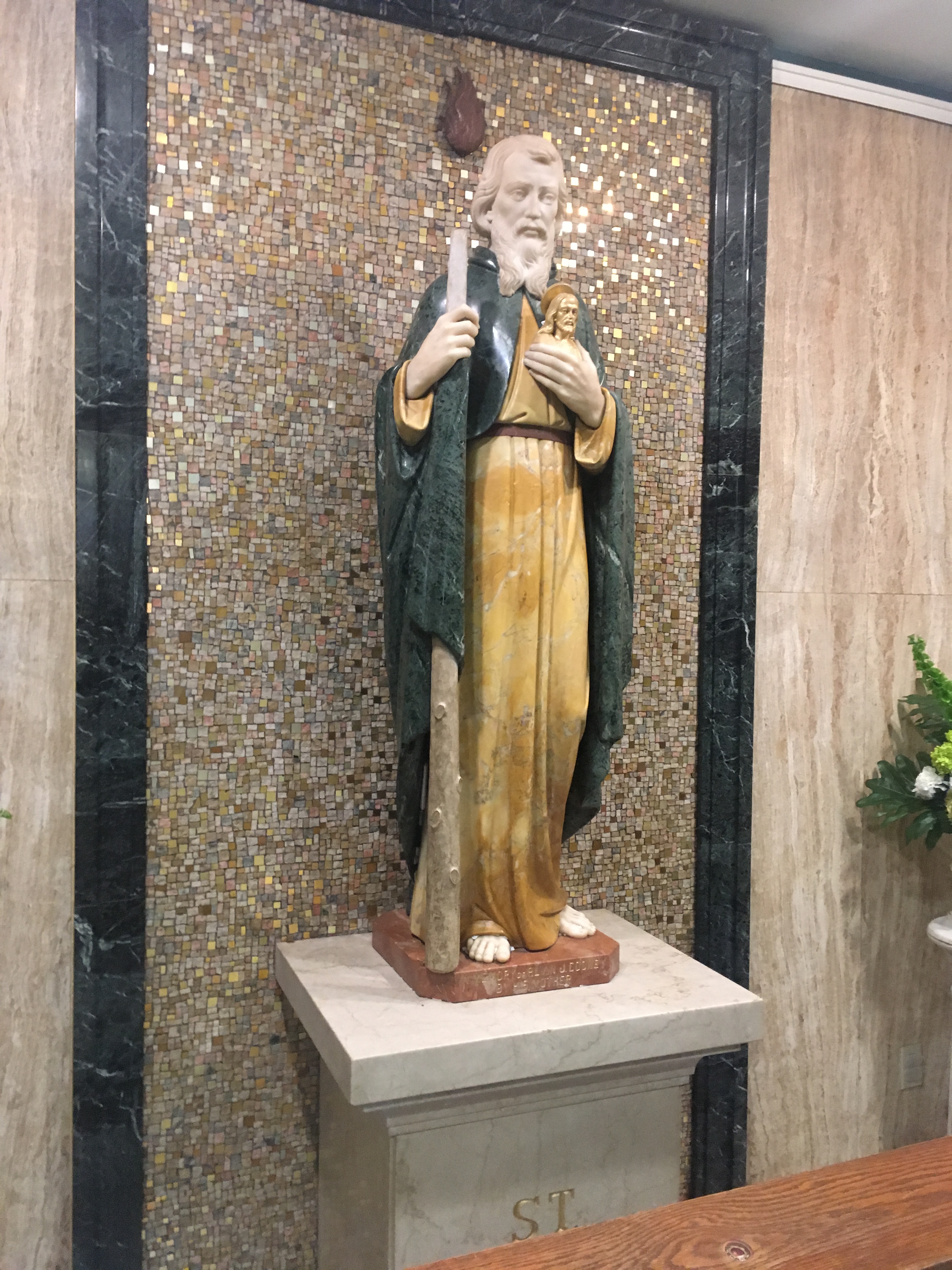
Two perpetual Novena services are held every Wednesday, three are conducted on Sundays and the Shrine hosts three Solemn Novena services annually.
The Shrine, founded in 1917, originally attracted just local folks, but now requests for intercessions from St. Jude come from all over the world.

Link worthy

This would have made an outstanding entry in 52 Masses. Alas, the good folks at America: The Jesuit Review beat me to it.

On Memorial Day, this is a wonderful tribute to our fallen servicemen and women. God bless them all, and thank you to these young men at Catholic Memorial for how they honor them. See the story here.

Best of Luck, Father Andy

On Palm Sunday, the former priest at my parish, Father Andrew Corona, announced he was retiring from active parish life. Our bishop, Donald Hying, accepted his request for early retirement.

Father had been the priest at Nativity of Our Savior in Portage for about eight years. Last year, he moved on to St. Thomas More in Munster to serve in an associate pastor’s capacity, a byproduct of the health issues that led to his early retirement.

Over the past 10 years, Father Andy has battled a number of physical problems that have slowed down the once active guy. But it isn’t the physical ailments that will be my most lasting memory of his time at our church.

About halfway through his time leading our parish, father started suffering those various physical woes. On top of that, his beloved father passed away, a combination of events that led him to a deep emotional hole. So much so that he eventually stepped away from his duties, checking himself into a facility in Maryland to deal with his mental health concerns.

He returned last year from that facility, but not to resume his work at our parish. Merely, it was to say goodbye. In his farewell homily, he talked openly and honestly about the issues he dealt with and the work he still needed to do on the road to recovery. It was a tremendously moving admission to the parishioners who had come to know and love him over the course of eight years.

In retrospect, I shouldn’t have been surprised. A few years earlier, before he stepped away, I had accompanied my youngest son on the eighth-grade trip to Washington, D.C. Father also joined us, as he did every year.  Travel was one of his many loves.

But the bubbly priest who had been an active presence on previous trips to D.C., particularly when the trip took the kids to more spiritual places, was not our traveling companion that year. He was, instead, rather listless, engaging neither the kids nor adults much. Frequently, he didn’t leave the bus when we reached one of our destinations. I though it bizarre at the time. But when he delivered his homily and talked about his issues and the effect it had on him, I recognized immediately the man he was describing.

Too often, mental health remains a taboo topic. We can share every detail of a broken arm from a car accident or a scar from a surgical procedure,  but the injuries that happen in our minds are still somewhat off limits to discuss openly. That father was able to deal so candidly about his issues required tremendous courage, and I can’t help but think there was at least one person in the church that day who will benefit tremendously from his forthright description of his troubles. That someone who might otherwise have ignored his or her issues will instead seek the necessary help. If he accomplished nothing else during his time at Nativity (which most certainly wasn’t the case), that would still be one heck of a legacy.

Father, here’s wishing you the absolute best in retirement.


Off the Path: 5

This blog, at least for the time being, has largely involved church buildings. In 2021, and maybe even a little before, that will change, as I deal more with the people I meet and the works they’re doing.

But in this space between reaching out to parishes for research and the actual visits, it’s been mostly devoted to me stopping in various churches for some quiet reflection before getting back on the road. On Monday, I had quite a bit to reflect on.

I was on the road home from visiting my college daughter when I was alerted via text from a friend about the situation in France. My friend, a non-Catholic, was lamenting the fire raging at Cathedrale Notre Dame de Paris, as visiting the great church had been one of his “bucket list” items.

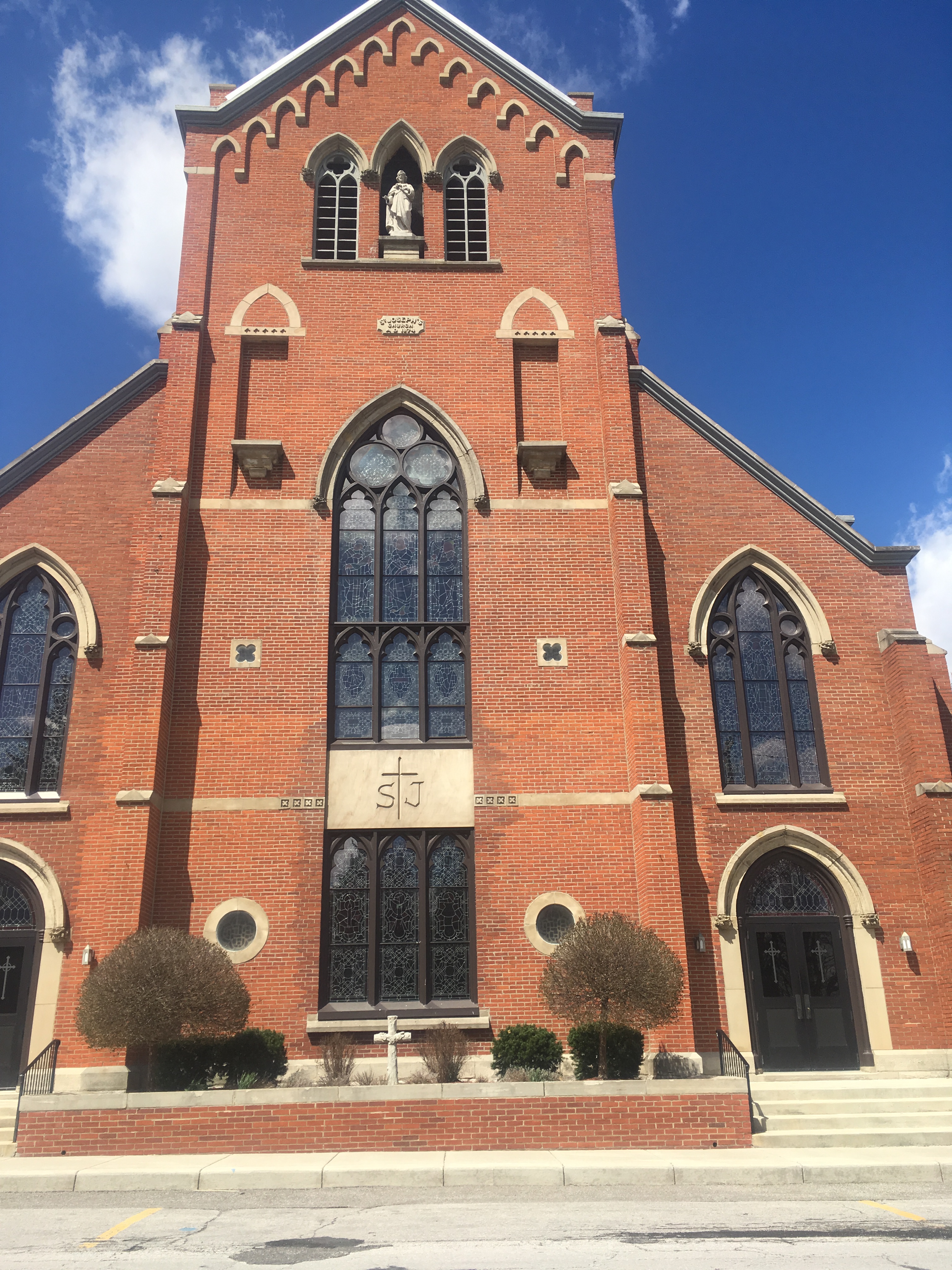
A short time later, I stepped into St. Joseph Church in Monroeville, Ohio. While there, and even now, I couldn’t help think about the church I wasn’t in.

Notre Dame is not just simply a building where Catholics attend Sunday Mass. Its reach, as my friend demonstrated, goes beyond Catholics. Beyond Christians, even. And it makes sense. There is value in the beauty contained within. Of the history the church has witnessed. Of the place it holds in the hearts of Parisians. These things do matter, and I think most of the world was elated to see so much of its interior, and its relics, survive the conflagration.

It is been a terrible month for places of worship around the world. Something evil led a disturbed young man to torch three black churches in Louisiana, a crime that not only deprives those Christian families of their church, but delivers a stark reminder of a time of horrific racism, violence and intimidation was the rule, and the law routinely looked the other way. And while Notre Dame’s fire captured the world’s attention, a similar fate was befalling the Muslim holy site, Al-Aqsa mosque in Jerusalem, at the exact same time.

But as we reach the holiest time of the year on our Christian calendar, we can still take comfort in the presence of God, whether looking upon a worship site ravaged by fire, or sitting alone inside a small darkened church in small-town Ohio. Because He is in all of these places.

Off the Path 4

A few years back, I had a brief fling with a blog I found called McMansion Hell. The site is designed and maintained by a young woman, Kate Wagner, who was a writer who studied architectural acoustics from Johns Hopkins University‘s Peabody Conservatory.[4] That’s noteworthy for two reasons: my son is a soon-to-be-graduate of Hopkins, and Peabody is the name of the Hopkins library that is one of the most gorgeous libraries in the universe.

I have never been a student of good architecture. But I am a glutton for good writing, and Wagner absolutely qualifies. Thus, I followed her blog for awhile as she torched the all-so-common McMansions, not for their ostentatious displays of wealth (though there was some of that), but more because of how they badly they often strayed from good architectural design. Traits such as balance, proportion and symmetry help define a well-designed building.

The faux pas that seemed to be the most common among designers of these suburban palaces is mixing design styles, most notably reflected in windows of varying shapes and sizes. That is an architectural no-no.

Which brings me to St. Cecilia, a mostly rural church located in Northern Kentucky, just outside the larger towns of Florence, Covington and Newport. I think Kate Wagner would have been quite pleased with the design work here. The church is beautiful inside and out. The arch is the overarching design trend, with series of three arches on display all over the church — at the altar, above the entrance to the church and with the windows. To my still-novice eye, it all flows together in a wonderful way.