St. Jude’s in St. Pete’s.

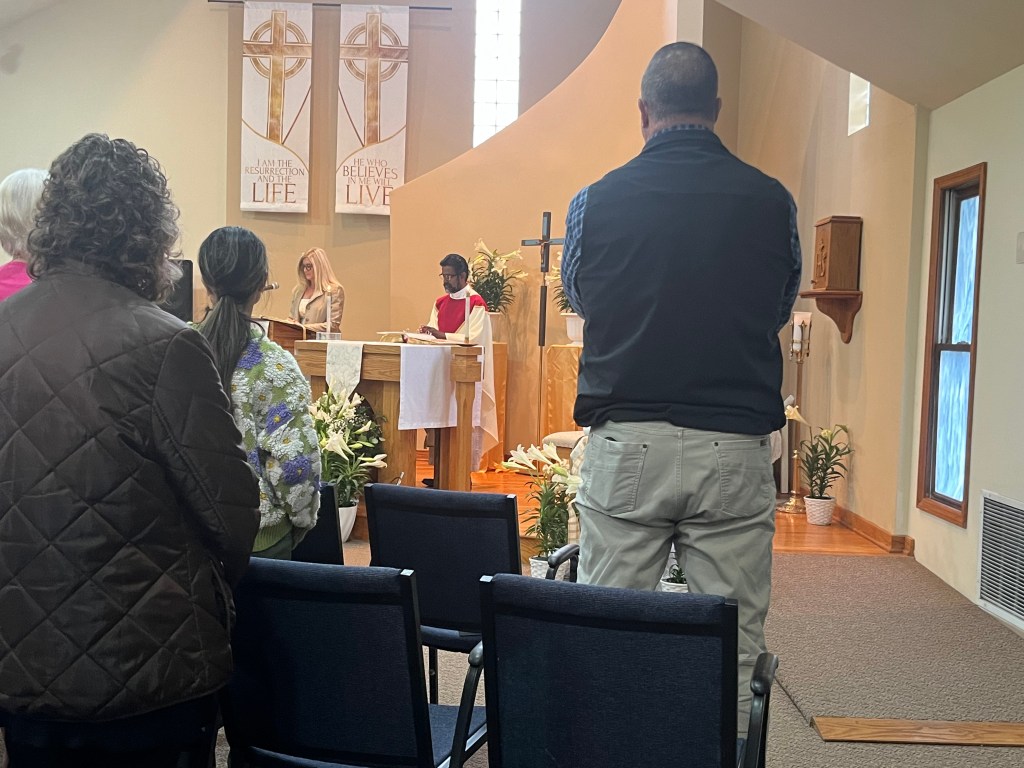
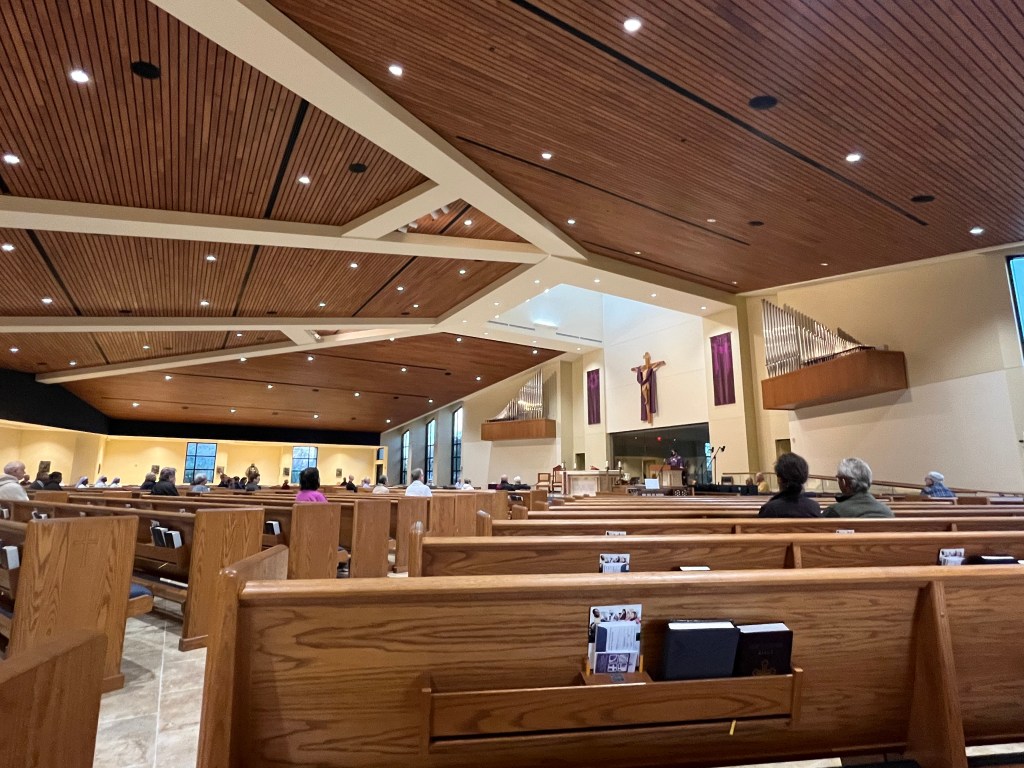
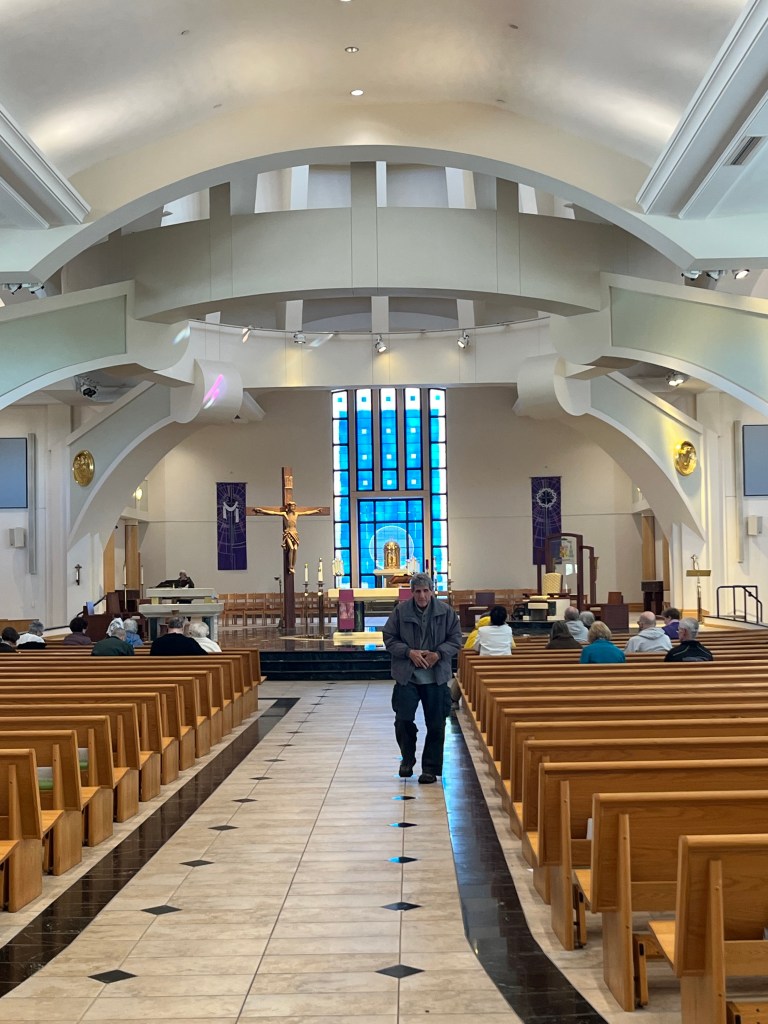
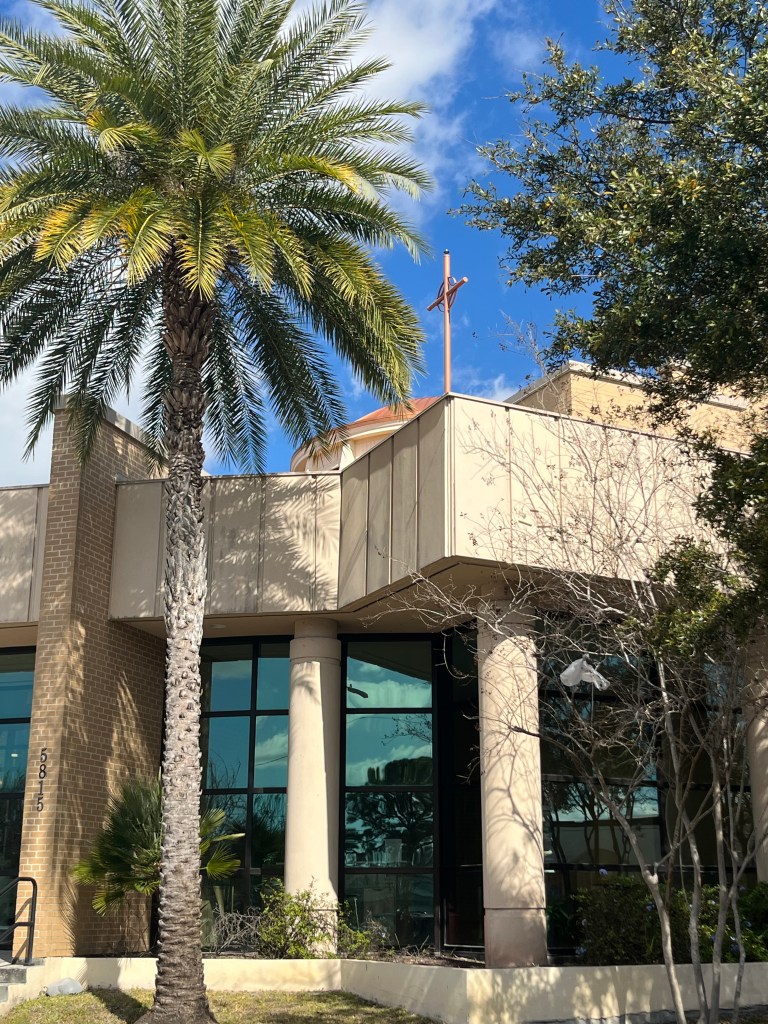
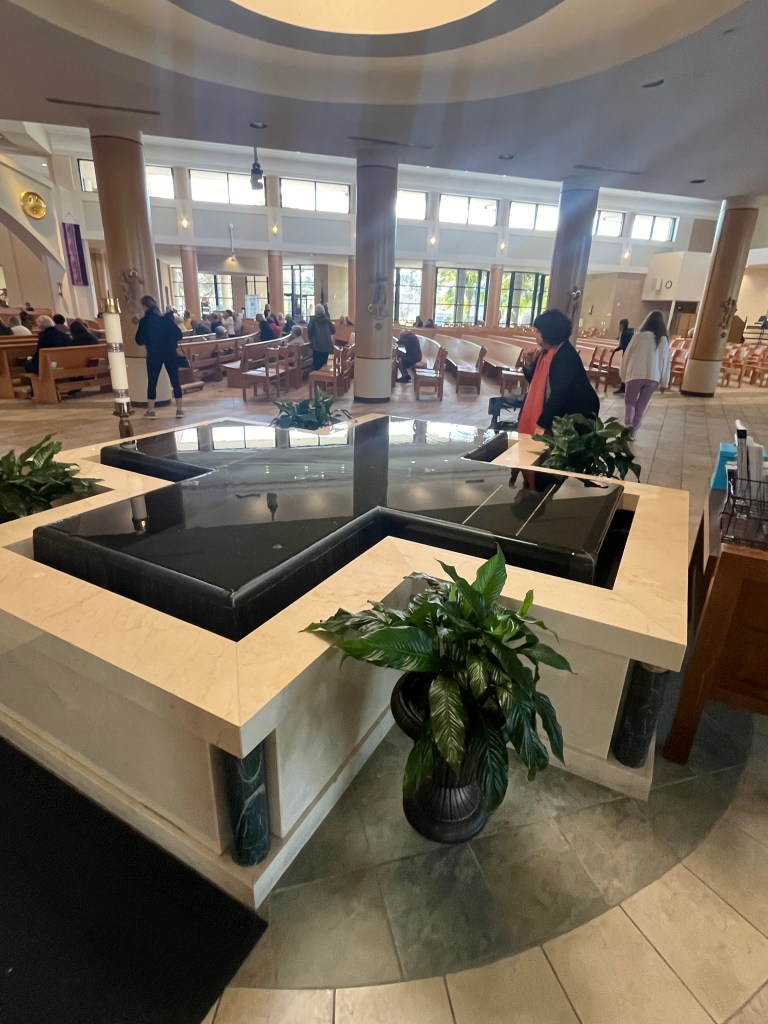
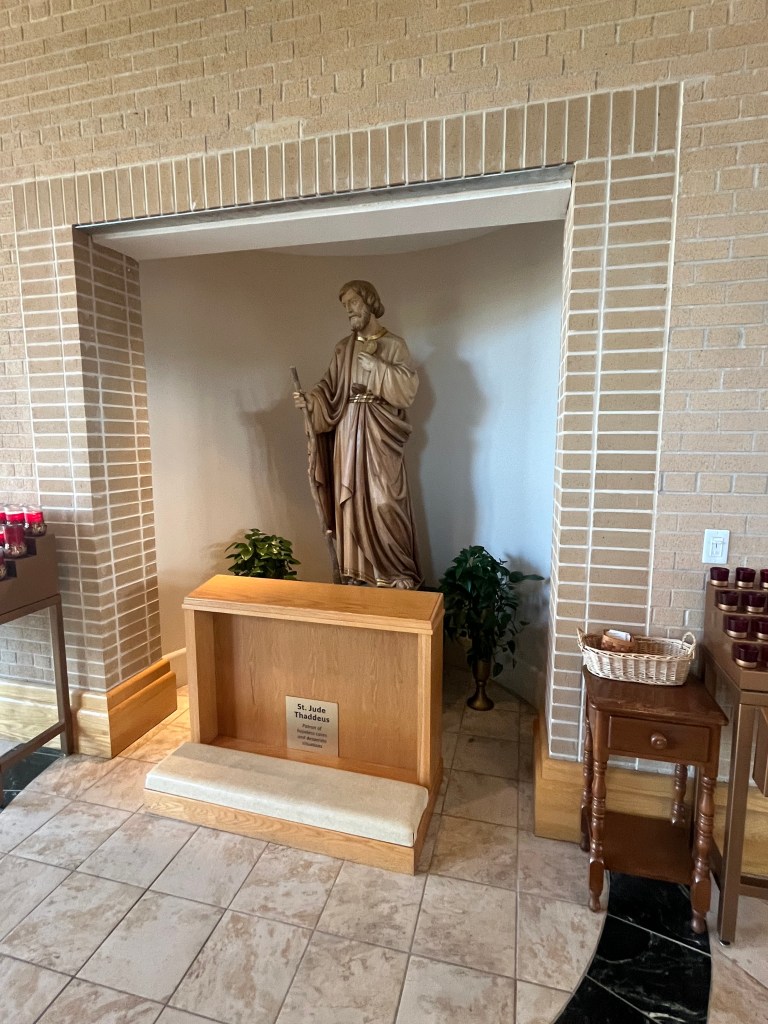
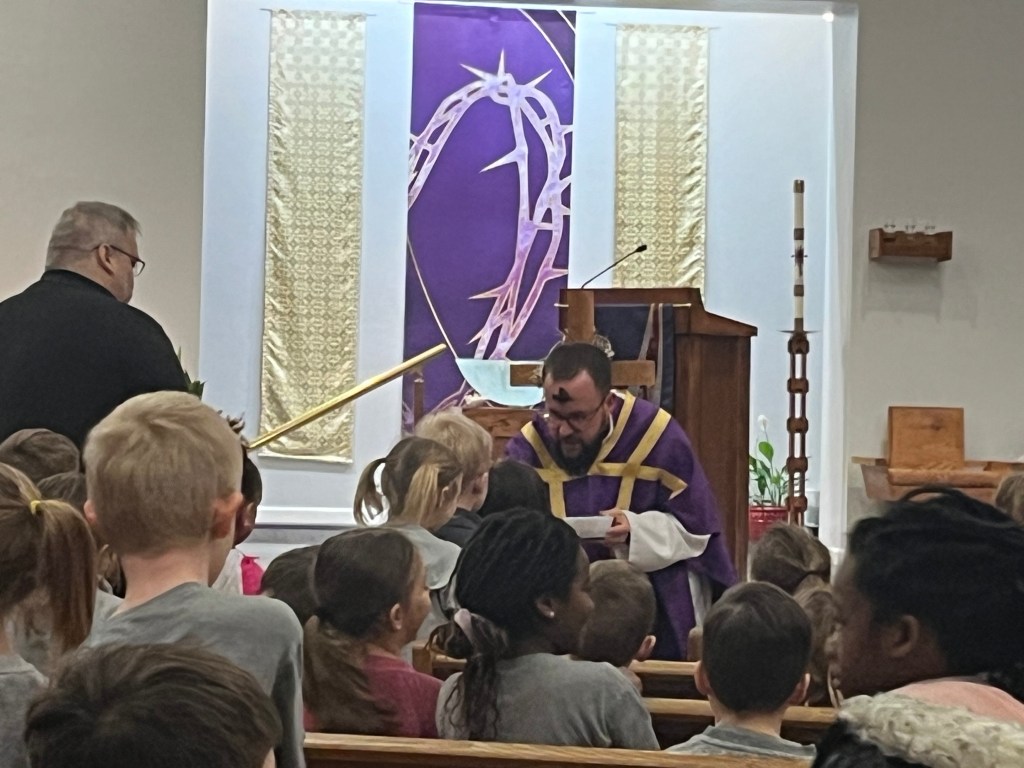
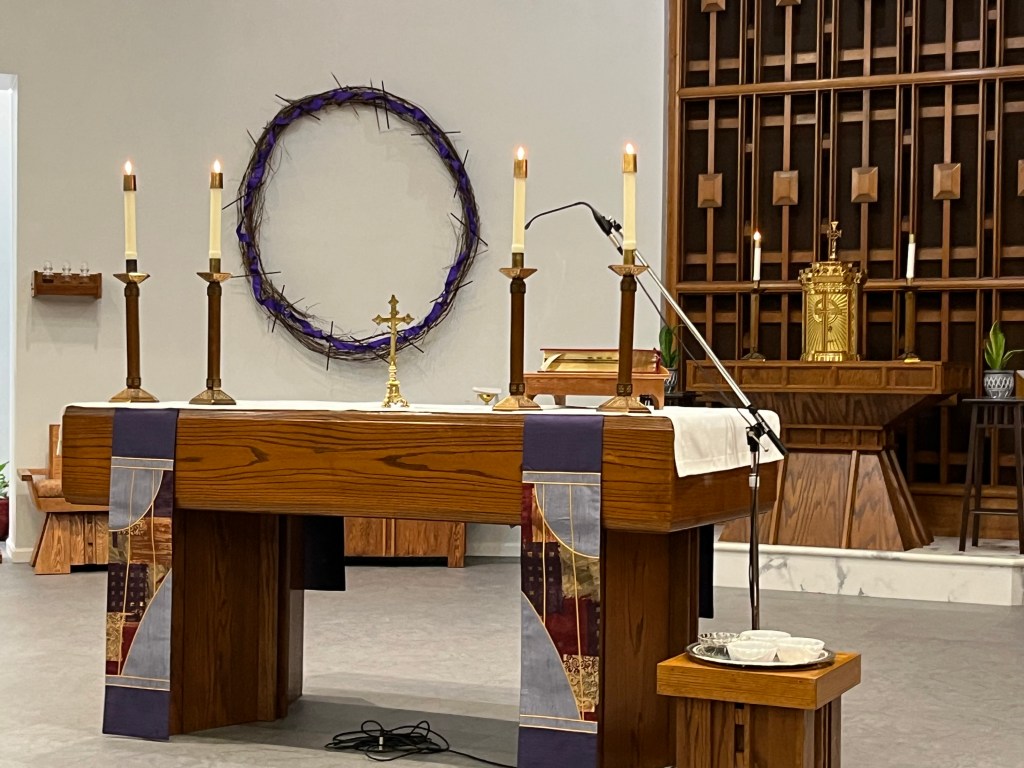
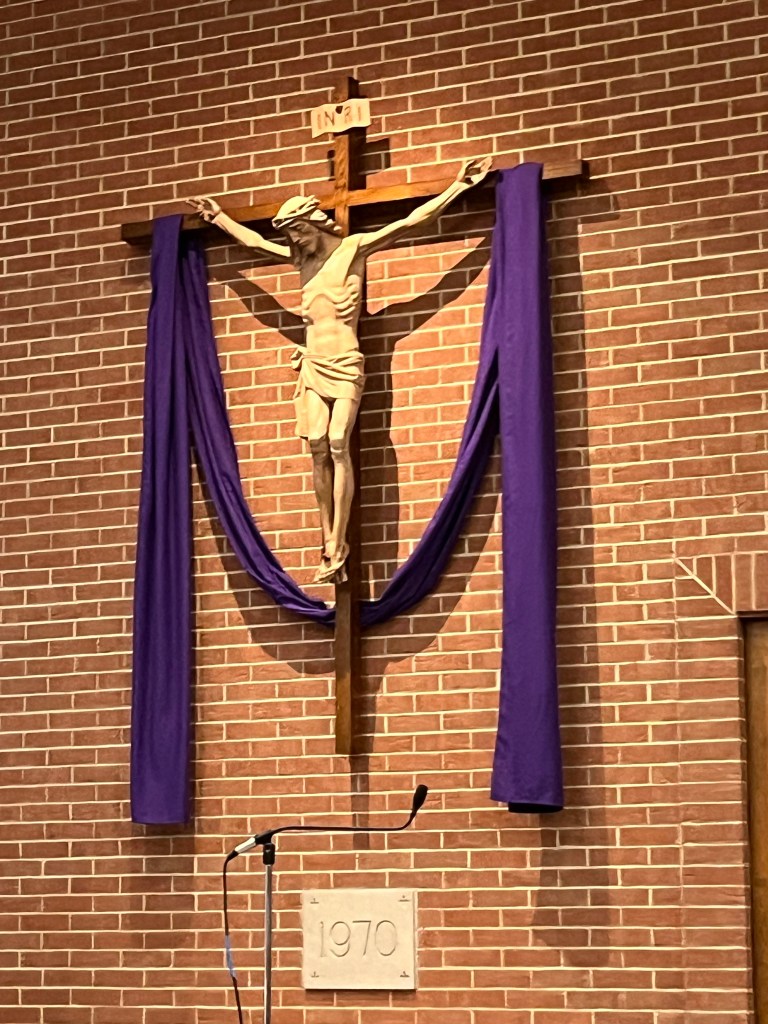
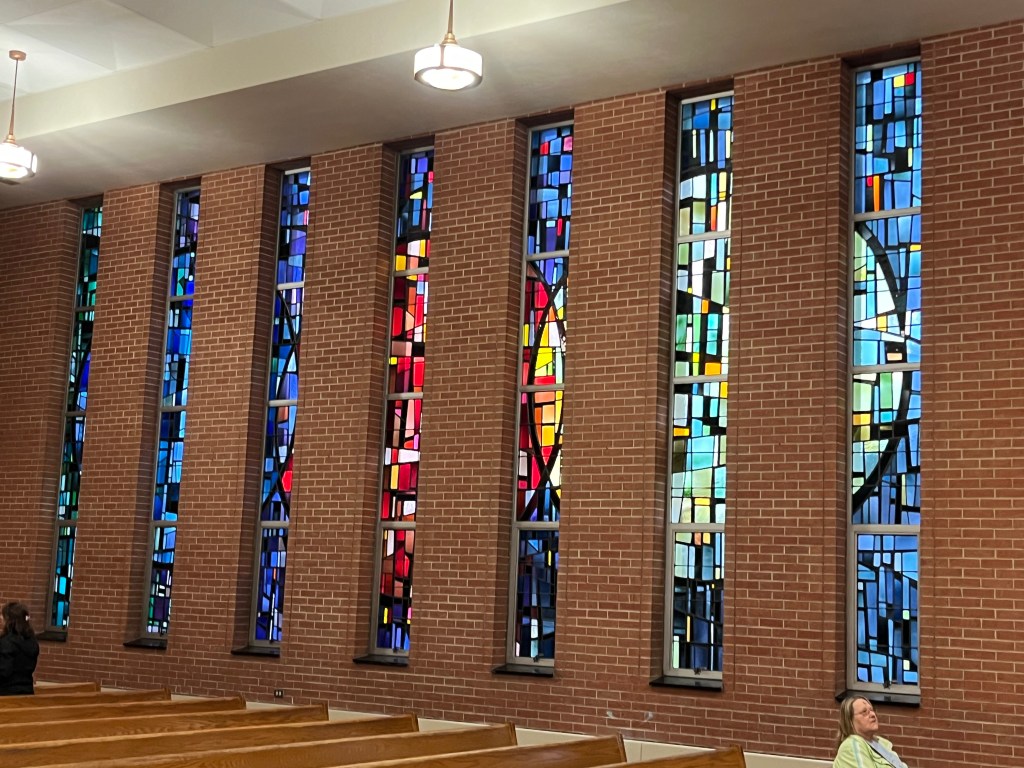
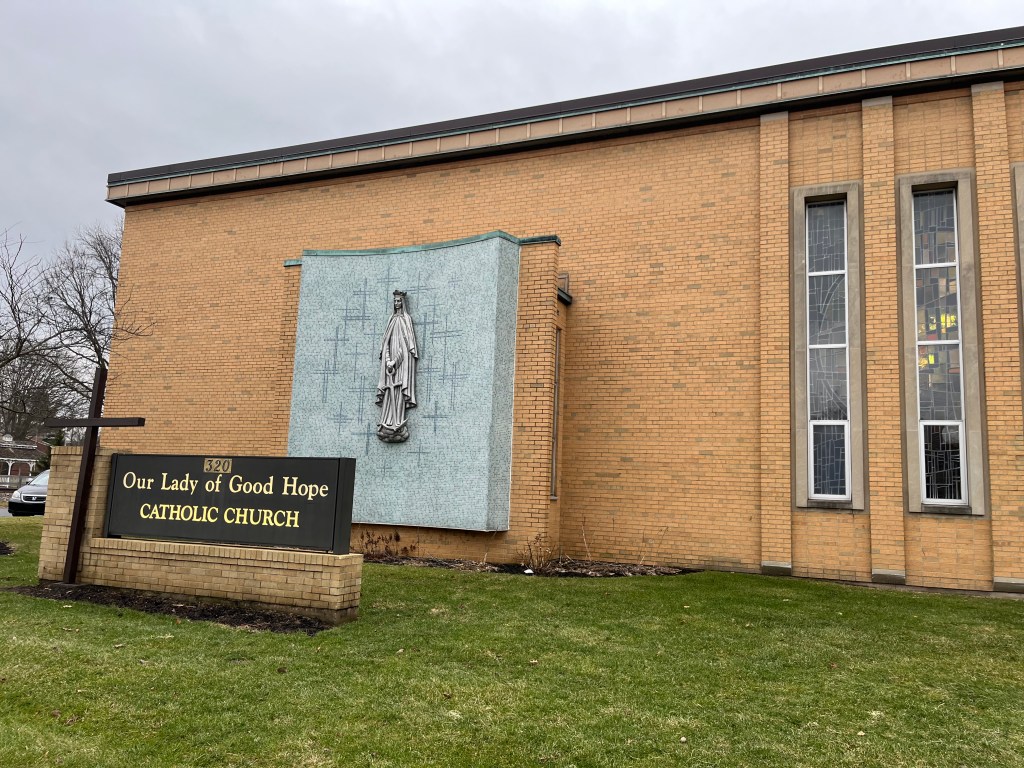
I pushed my cathedral Mass count to an even dozen on Monday thanks to a work trip to the Tampa Bay area. I experienced the liturgy at St. Jude the Apostle, the seat of the Diocese of St. Petersburg.

St. Jude the Apostle was unlike any of my previous cathedral visits. It is not a hundred-plus-year-old worship space like so many diocesan seats. Rather, it dates only to 1963, and that modern aesthetic is quite noticeable, for better or worse. Ornate adornments and dark wood were replaced by a more open concept and ample natural light.

Perhaps its most notable feature are a pair of crosses. The striking Baptismal font is in the form of a cross. So too is the building itself, the design “derived from the Byzantine period of the Eastern Roman Empire and the plan was based on a Latin Cross,” the church’s website says.

That cross is far more obvious from the aerial view. Alas, I was unable to provide that shot with my Iphone.

Sister Thea’s Cause Moves Forward

I woke to learn the Diocese of Jackson has completed the proceedings and advanced its cause for canonization for Sister Thea Bowman, FSPA. My trip to Mississippi took me to Holy Child of Jesus in Canton, Sister Thea’s home parish, and nearby Sacred Heart in Camden.

Sister Thea remains a significant presence at both Holy Child of Jesus and the nearby Sacred Heart, the two historically black churches in Madison County.

During my trip, I was also blessed to visit with Sister Dorothy Ann Kundinger, another Franciscan Sister of Perpetual Adoration, who served alongside Sister Thea during the final years of the Servant of God’s life. Sister Dorothy Ann, who has since passed away, shared with me her reflections on Sister Thea’s incredible gifts, which inspired Sister Dorothy Ann to leave teaching and become a caregiver for those facing their final days.

It was an incredible experience. And I’m so excited to hear the news of her canonization cause moving forward, which seems particularly fitting news this month.

The first two photos are from Holy Child of Jesus, the second from Sacred Heart. And the last is a gift from Sister Dorothy Ann, a photo of Sister Thea and her parents Mary Esther, who followed Sister Thea’s lead and converted to Catholicism.

Catholics on Campus

Back in December, while manning my booth at a holiday craft market, I was blessed to meet Virginia Koch, CEO/Founder of Knots Untied Coaching, LLC. We became fast friends.

Last month, she invited me to appear on her podcast, Catholics on Campus, the students she works with to help grow their faith on campus.

Thanks again to Virginia for having me on her show, which can be found below.

https://podcasts.apple.com/us/podcast/one-writers-journey-to-52-masses/id1677764186?i=1000748253799

Auschwitz: Not Long Ago, Not Far Away

Kem and I took advantage of her birthday gift from the kids Monday. It was a sobering but memorable experience.

Auschwitz, an exhibit focused on the most infamous World War II death camp, is on display at the Cincinnati Museum Center. The lengthy tour takes you firsthand through the early days of its focus as a prisoner-of-war camp on through its use as the worst of the death camps, with harrowing inhumanity the single through line. Photos, artifacts and recorded interviews with survivors tell the gruesome story.

Sadly, today there seems to be a resurgence in efforts to downplay or even celebrate Nazi ideology. This exhibit is a powerful rebuttal to those misguided ideas.

The exhibit is at the Museum Center through mid-April, for any Midwestern folks. If it someday makes its way to your community, jump at the chance to see it.

Polish-born French-Jewish artist David Olere survived his experience in Auschwitz, where he was put to work as a Sonderkommando (the men forced to empty the gas chambers and burn the bodies). He provided testimony to the horrors of Auschwitz through his drawings, like this one of Crematorium 3.

Polish priest St. Maximilian Kolbe was among the victims of Auschwitz, volunteering to die in place of fellow prisoner Franciszek Gajowinczek, who ended up surviving the war. St. Maximilian Kolbe was killed by the Nazis by lethal injection.