Holy Week is Here

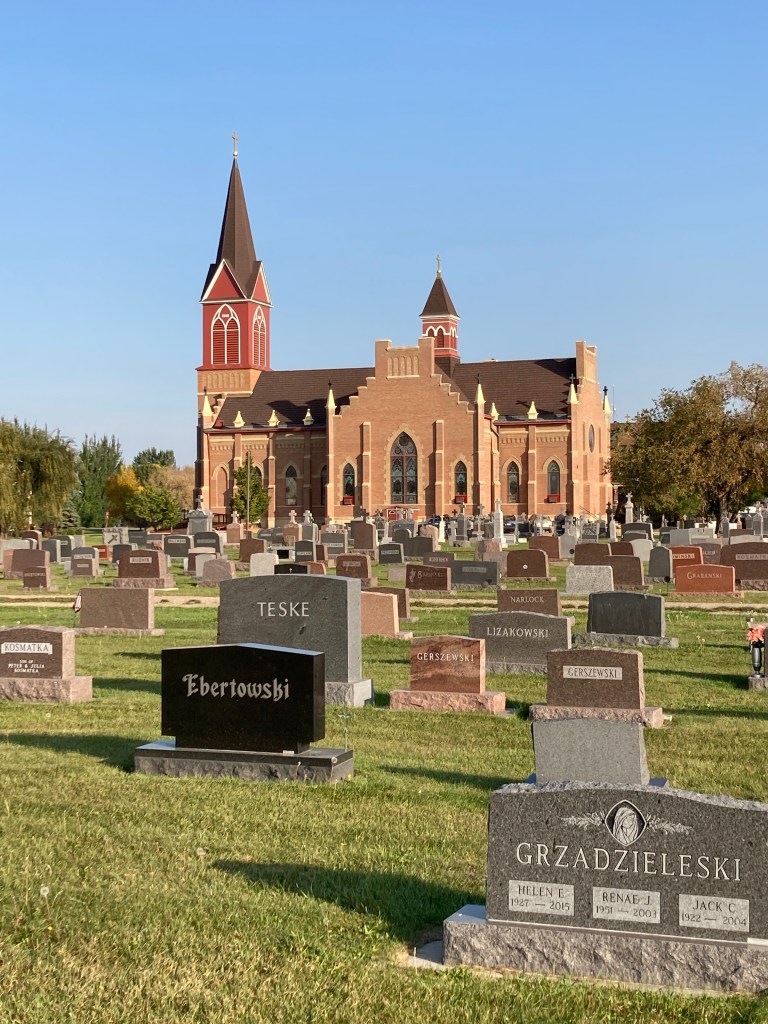
Our Lady of Guadalupe, Co-Cathedral of the Diocese of Belize City-Belmopan.

I took hundreds of photos during my trip, but none reflected the faith better than this Palm Sunday processional shot.

Holy Week is here.

The Church at its Best

This past Sunday took me to St. Leo the Great, a church in downtown Cincinnati that a ministry at my church often partners with. I was delighted by what awaited.

St. Leo is the epitome of part of what I was trying to capture on my journey, the living embodiment of the vitality and diversity of the universal church. The congregation is made up of Whites and Blacks, Asians, Africans and Central and South Americans. Father Jim delivered his homily in both English and Spanish, while the second reading and first Communion song were in Kirundi, a language spoken by the good people of Burundi.
These were devout people, with many of them stopping to engage in silent adoration before Mass began.

But perhaps most notable, which I hope is obvious in this video, was how overflowing the parish was with families. There were young people everywhere you looked — two altar servers, a handful of greeters, ushers, and the person handling the video monitor were all well below voting age.

When Sister Thea Bowman spoke before the United States Conference of Catholic Bishops, the Catholic Reporter’s Tom Roberts described the experience by saying, “I said to myself then – and have said since to anyone who would listen to the story – that I thought I saw a glimpse of the Church’s best future that day.”

I felt a little bit of that last week.

More History in St. Augustine

St. Augustine, Florida, is the ancestral home of the Catholic Church in the 50 states and site of the Cathedral Basilica of St. Augustine, a beautiful worship space that draws visitors from all over the world.

About a half-mile away sits a much less grandiose church, but one also steeped in history. St. Benedict the Moor, now a sister parish with the cathedral, was the home church to the African American Catholic community in St. Augustine, a sad condition reflective of the horrible segregation and discrimination faced by Blacks that lasted well into the 20th century.

But St. Benedict the Moor and its parishioners played its role in reversing that history. In 1916, three Sisters of St. Joseph, Mary Beningus Cameron, Mary Thomasine Hehir, and Mary Scholastica Sullivan, teachers at St. Benedict School, were arrested for challenging a Florida law that prohibited Whites from teaching Black students. A judge released the sisters, claiming the law did not apply to private schools.

Almost 50 years later, the church hosted a visit by Dr. Martin Luther King Jr. during a lengthy visit to St. Augustine at the height of the civil rights movement. His fellow civil rights leader Ralph Abernathy stayed at the home of the Hughes family, St. Benedict the Moor parishioners. On my visit, I was blessed to meet and speak with Donna Hughes, still a parishioner at the church her ancestors helped build more than 100 years earlier.